
Compassion
Our goal at the Minnesota Valley Pet Hospital is to exceed your expectations! We strive to provide you and your pet with the highest quality veterinary care in a warm, caring, and safe environment.
-
About The Hospital
Many, many thanks to our clients who have voted us Best Veterinary Hospital in Mankato for 10 years in a row!









Office:
1541 Adams Street
Mankato, MN 56001
Phone: 507-345-5900
Fax: 507-345-6898
Email: mvph.vet@gmail.comHours
Monday – Friday
7:00 AM – 6:00 PM
Saturday
8:00 AM – noon
The Minnesota Valley Pet Hospital is a full service veterinary medical facility located in Mankato, MN. Our professional and courteous staff seeks to provide the best possible medical, surgical, and dental care for our patients.We are committed to promoting responsible pet ownership, preventive health care and health related education for our clients and their pets. We strive to offer excellence in veterinary care to Mankato and the surrounding communities. Originally founded as the Boerboom Pet Hospital we have proudly served the area since 1971. Our doctors have over 95 years of cumulative veterinary experience.
After 48 years and many remodels, we moved from our Madison Ave location to our new building on Adams Street in April of 2019.
Please feel free to contact us to find out more about our hospital, our services, and how we can serve the needs of you and your pet.
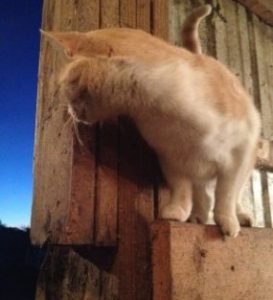
Throwback………
Do you remember our logo? This was in use from the mid 90’s to April 2013 when we launched our new website and changed over to our new logo with updated color scheme.
-
In The News:
AFTER HOURS:
Dear Clients of MVPH,
Over time, the practice of veterinary medicine continues to progress and evolve. With this progression has come a change in the expected standard of care in the case of after-hours medical emergencies. A lone veterinarian without support staff, limited physical abilities and the inability to hospitalize and monitor overnight no longer meets the expected standard in our profession, or the quality of care we wish to offer.
It is with careful consideration and a heavy heart that we have decided that as of January 1, 2025, we will no longer be offering after-hour care. We never thought that this was something that we would be contemplating, but for the safety and quality of care for our patients, this is a necessary move.
There are multiple emergency clinics within approximately an hour of Mankato that are fully staffed and better equipped to handle emergencies and after-hours care. We most frequently recommend Allied Emergency Service in Eden Prairie and Rochester, or South Metro Animal Emergency Care in Apple Valley. An extensive list of options can be found on our website, in the After Hours Page
We hope that you will understand and respect the basis of our decision and know that we have the best interests of all our patients at heart. As always, we will continue to work hard to provide for the care of your pets.
Sincerely,
The Doctors and Staff of Minnesota Valley Pet Hospital
HAVE YOU SET UP YOUR PET PORTAL YET?
Our Pet Portal enables clients to access their pet’s records, make appointment requests, refill medications, and even make payments online! Set up your account at:
https://petportal.vet/mnvalleypet
Your information does have to be entered just as it is in our computer system [use your latest invoice if you have one] If you have any difficulty, just give us a call!
Medication and Pet Food
It is easy to get your pet’s medication and food without leaving your home! We encourage you to utilize our online store by following the link below.
https://www.myvetstoreonline.pharmacy
By using the online store your pet food and medication will be delivered right to your door.
Fleas and Ticks
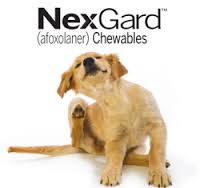
NexGard is available! This is a once a month oral flea and tick preventative for dogs. If you don’t like using the topical preparations ask us about this great option!
Recovery and Rehabilitation
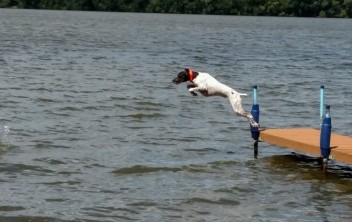
We are often asked how well dogs recover after reconstructive knee surgery. Here is a picture of Annie 18 months after the first and 12 months after the second surgery for ruptured ACL ligaments in her knees. As you can see she is back to full enjoyment of the lake life.
Rabies
Rabies is present in mammals almost worldwide and is a major human health concern in some regions. We are fortunate to live in the United States where decades of judicious [ Read More ]

-
Facebook
In Memoriam
Dedicated to our recently passed companions.
25 Inspiring Quotes For People Who Love Animals
You can judge a man’s true character by the way he treats his fellow animals. – Paul McCartney
My goal in life is to be as good of a person my dog already thinks I am. ~Author Unknown
[ Read More ]
Travel With Pets
Knowing the rules and regulations about airline travel with pets can make the whole travel experience easier and more enjoyable for everyone involved. [ Read More ]
Animal Behavior
We are compiling behavior resources for dogs and cats. From puppy socialization to aging and cognitive changes in dogs… from dealing with rough play in kittens to adult cats urinating outside the box… we can help you manage behavior problems. Behavior Resource Page.
WARNING: Mouse Poison
Rodenticides (mouse poisons) are highly toxic to pets—if ingested, the results could be fatal. If you must use these products, do so with extreme caution and put them in places inaccessible to your pets.
There are two common types currently available:
Brodifacoum – an anticoagulant that has an antidote available.
Bromethalin – a neurotoxin that has NO available antidote.
If you pet has gotten into a mouse poison, call immediately and have the packaging available for the doctor. If you use mouse poisons, know what you are using and keep the package available just in case.
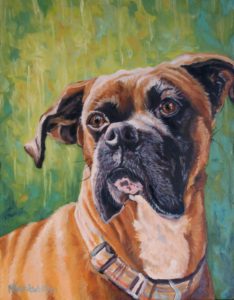
Malia Wiley
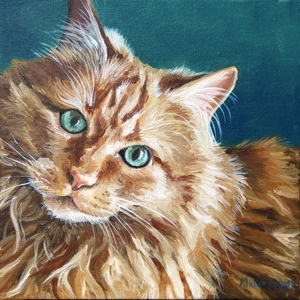
Local artist paints wonderful vibrant paintings of pets from photos. A great gift idea or a memorial to a loyal friend. Follow the link to her website.
EMPLOYMENT
OPPORTUNITIES
Click Here for more information


-
Parasite Prevention
While springtime sees the reemergence of mosquitoes, and renewed concerns regarding heartworm disease transmission, we encourage the year-round use of oral parasite preventatives. [ Read More ]
We recommend both Heartworm pills and Flea and Tick preventatives year round because you can never let your guard down in regard to parasites. Intestinal parasite prevention, flea and tick preventatives, and up to date vaccinations are important, especially before visits to the dog park or commingling with others. If you have questions, or need to check on your pet’s vaccination status, just give us a call.
-
Online Pharmacy
If you are thinking of ordering your pet’s medications from an online pharmacy, please consider using the link below to My VetStore Online Pharmacy. This is a veterinarian-run pharmacy in conjunction with Midwest Veterinary Supply, a reputable national distributor. In contrast to other online vendors, because it is veterinary-run all manufacturer guarantees of quality, safety and efficacy remain in effect. When ordering from My VetStore Online Pharmacy you can be assured that the product you receive is the product you ordered and not a counterfeit or overseas knock-off that may not be safe or effective.
-
A Note of Thanks…
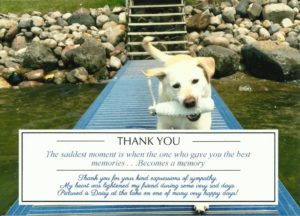
We received this lovely card from a client who lost their companion. Pictures and memories like this one never fail to brighten our day. We often get notes of thanks from our clients, but here are some thoughts on our thankfulness for you. [ Read More ]
507-345-5900